136 Edward St
136 Edward St is in Yonge-Bay Corridor. There are 6 planning proposals within 250 m, including a 64‑storey building with 704 homes and shops (under review). St Patrick Station is a 2‑minute walk.
Data as of Nov 8, 2026 · Every item lists its source
- A public hearing on Oct 2 about a split the lot at 123 Edward St, 96 m away.
- A 64-storey building with 704 homes and shops is under review, 216 m away (505 University Ave).
- Assaults, break-ins, robberies and thefts over $5,000 in Yonge-Bay Corridor were above the Toronto rate in 2025.
- St Patrick Station (Line 1) is about a 2-minute walk.
- The nearest elementary school is Orde Street Public School, 468 m away.
- Nothing is on record for the building itself: no permits, orders or heritage listing.
01What’s planned near 136 Edward St
6 planning proposals within 250 m (about a 3‑minute walk): five in progress and one decided recently. Some cover several addresses; each proposal is listed once. That's more than at 9 in 10 Toronto addresses.
In progress
- 1Split the lot123 Edward St · 96 m awayCommittee of Adjustment · Consent: permission to split a lot or change property lines
A public hearing is set for Oct 2, 2027 at TBA. Neighbours can send comments or speak at the hearing.
To obtain consent to sever the property into two lots and to create new easements/rights-of-way.File B0057/26TEY · submitted Sep 13, 2026 - 2Site plan700 Bay St and 1 more address · 137 m awaySite plan: City review of the design and layout of a new building
City planners are reviewing it. Residents can comment before a decision is made.
Proposed interior alterations to repurpose the existing building to create 249 purpose built rental units.File 26 231153 STE 11 SA · submitted Sep 2, 2026 · City record and how to commentAll 2 addresses
700 Bay St · 99 Gerrard St W
- 364-storey building · 704 homes and shops505 University Ave · 216 m awaySite plan: City review of the design and layout of a new building
City planners are reviewing it. Residents can comment before a decision is made.
The redevelopment proposes a 64-storey mixed-use building with a 12-storey office podium and is inclusive of four levels of below-grade parking with a total of 171 parking spaces. The redevelopment proposes 704 dwelling units, resulting…File 22 198151 STE 11 SA · submitted Aug 31, 2022 · City record and how to comment
Decided recently
- 664-storey building · 704 homes and shops505 University Ave · 216 m awayRezoning: a request to change the Official Plan or zoning so something new can be built
The Ontario Land Tribunal (formerly the OMB) approved it.
Official Plan Amendment application to permit a 64-storey mixed-use building, containing 704 dwelling units, 25,100 square metres of office and 600 square metres of retail gross floor area. A concurrent Zoning Amendment application for…File 24 118172 STE 11 OZ · submitted Feb 23, 2024 · City record and how to comment
Development Applications and Committee of Adjustment Applications, City of Toronto. A proposal that covers several addresses is listed once. Decided: development files submitted in the last 4 years; Committee of Adjustment decisions in the last 2 years.
02Safety near 136 Edward St
Police recorded 297 major crimes within 500 m of this address from Oct 2025 to Sep 2026. That's more than at almost all Toronto addresses. The table compares the neighbourhood's rates with Toronto's.
| Major crime | Near this addressreported within 500 m, last 12 months | Yonge-Bay Corridorper 100,000 residents, 2025 | Torontoper 100,000 residents, 2025 |
|---|---|---|---|
| Assaults | 210 | 3,361 | 768Yonge-Bay Corridor is higher |
| Break-ins | 50 | 552 | 190Yonge-Bay Corridor is higher |
| Car thefts | 14 | 162 | 225Yonge-Bay Corridor is lower |
| Robberies | 11 | 300 | 79Yonge-Bay Corridor is higher |
| Thefts over $5,000 | 12 | 210 | 61Yonge-Bay Corridor is higher |
Thick bar: Yonge-Bay Corridor. Thin grey bar: Toronto. Source: Toronto Police Service Public Safety Data Portal, Major Crime Indicators (Oct 1, 2025 to Sep 30, 2026) and Neighbourhood Crime Rates. Reported incidents only; police place each incident at the nearest intersection. Five-year trends for Yonge-Bay Corridor
03Getting around from 136 Edward St
The nearest subway station is St Patrick Station (Line 1), about a 2‑minute walk (0.1 km). Within a 5‑minute walk there are 12 TTC stops served by routes 505, 506, 19 and 13, with about 2,939 departures on a typical weekday. The nearest GO train station is Union Station GO, 1.3 km away, with 354 train stops on a weekday.
Source: TTC · Line 1 · about 2 min walk
Nearest stop: Elm St at University Ave East Side, plus 1 more stop for this route within 250 m.
Nearest stop: Dundas St West at University Ave - St Patrick Station, plus 1 more stop for this route within 250 m.
Nearest stop: Bay St at Elm St.
Source: GO Transit · 354 train stops on a weekday
TTC and GO Transit schedules for a typical weekday (Nov 11, 2026). Walking times are estimates.
04Schools and child care near 136 Edward St
These are the closest public and Catholic schools by distance. They may not be the schools assigned to this address: school boards set their own attendance areas, so check with the Toronto District School Board or Toronto Catholic District School Board.
Elementary schools
Share of Grade 6 students meeting the provincial standard. Toronto: 87% reading, 54% math.
Secondary schools
Share of students who passed the Grade 10 literacy test on their first try. Toronto: 84%.
The red tick on each bar is the Toronto average. Private schools within 1 km: Ronald Mcdonald House, Cornerstone Preparatory School - Main Campus, Braemar College Private Secondary School, The Ymca Academy Secondary School, Taie International Institute School. Source: Ontario Ministry of Education (2026), EQAO results.
Within 500 m (about a 6‑minute walk): six licensed child care centres, no EarlyON centres, three privately owned public spaces and no shelters or respite sites.
292 Dundas St W · 62 spaces · infant, toddler, preschool · in the $10-a-day program · fee subsidies
132 St Patrick St · 49 spaces · infant, toddler, preschool · in the $10-a-day program · fee subsidies
100 Queen St W · 83 spaces · infant, toddler, preschool, kindergarten · in the $10-a-day program · fee subsidies
Source: City of Toronto Licensed Child Care Centres and EarlyON Child and Family Centres.
05The building at 136 Edward St
No building permits, building orders, heritage listing or short-term rental registration are on record for this address. About 9 in 10 Toronto addresses also had none in the last 5 years.
06Around the block
Stays of less than 28 days, like Airbnb. Most Toronto addresses (73%) have at least one short-term rental nearby.
Houses that rent individual rooms with shared kitchens or bathrooms. The City licenses them to enforce safety standards.
532 Bay St (347 m), 75 Mc Caul St (407 m), Public space (434 m).
Source: Short Term Rentals Registration, Multi-Tenant (Rooming) House Licences, Business Licences and Permits (storefront types; owners’ personal names are never shown), POPS, and Daily Shelter Occupancy (Nov 6, 2026). Confidential shelter locations are not published.
07Risks and environment at 136 Edward St
TRCA's maps show this address is outside the areas that could flood from rivers in a major storm (TRCA plans for a storm like Hurricane Hazel in 1954) and outside lake shoreline hazards. Basement flooding from overloaded sewers can still happen anywhere in the city.
Source: TRCA Regulation mapping 2025
In postal area M5G, 0 of 2 home tap-water samples (0%) tested above Ontario's limit for lead (10 micrograms per litre). That's too few samples to compare with the rest of the city. Health Canada recommends a stricter limit of 5 micrograms per litre: 0 samples here (0%) were above it. These are voluntary tests, mostly from older homes, so they don't tell you about this house. Lead comes from old pipes and plumbing, not the City's treatment plants. If your home was built before the mid-1950s, you can get a free test kit by calling 311.
Source: Non Regulated Lead Sample · 2 tests, Jun 17, 2014 to Apr 17, 2015
Air Quality Health Index from Environment and Climate Change Canada's Toronto Downtown station, 2.3 km away, measured 6:00 PM EST Sunday 8 November 2026. Forecast high for the next 24 hours: 2 (low risk). The scale runs from 1 to 10+; 1 to 3 is low risk.
Source: Environment and Climate Change Canada · hourly
TRCA mapping is for screening, not site-specific decisions. Lead results are voluntary samples from homes in the postal area, not this address.
08The neighbourhood: Yonge-Bay Corridor
Yonge-Bay Corridor had 12,645 residents in 2021. The median household income was $68,500, lower than the typical Toronto neighbourhood ($85,000). 68% of households rent (typical neighbourhood: 46%). 56% of renters spend 30% or more of their income on housing. 21% of workers commuted by transit and 56% walked or cycled (typical neighbourhood: 26% and 5%). The most common first languages other than English and French are Mandarin (14.7%), Cantonese (5.2%) and Arabic (4.8%). Source: 2021 Census; the next census was taken in 2026.
In October 2025, the average rent for a two-bedroom in a purpose-built rental building in the former City of Toronto was $2,457, up 6% from a year earlier. Across Toronto: $2,055. 3.2% of these apartments were vacant. These are averages paid by all tenants, including long-term ones, across a large area; new listings usually cost more.
| Average rent, October 2025 | Central Toronto | Change in a year | Toronto |
|---|---|---|---|
| Studio | $1,526 | +2% | $1,499 |
| 1 bedroom | $1,914 | +4% | $1,763 |
| 2 bedrooms | $2,457 | +6% | $2,055 |
| 3 bedrooms or more | $3,195 | 0% | $2,361 |
Source: CMHC, Rental Market Survey (October 2025), purpose-built rental apartments, central Toronto (the old City of Toronto, before the 1998 amalgamation). CMHC doesn’t publish rents for single neighbourhoods. Adapted by My Address in Toronto.
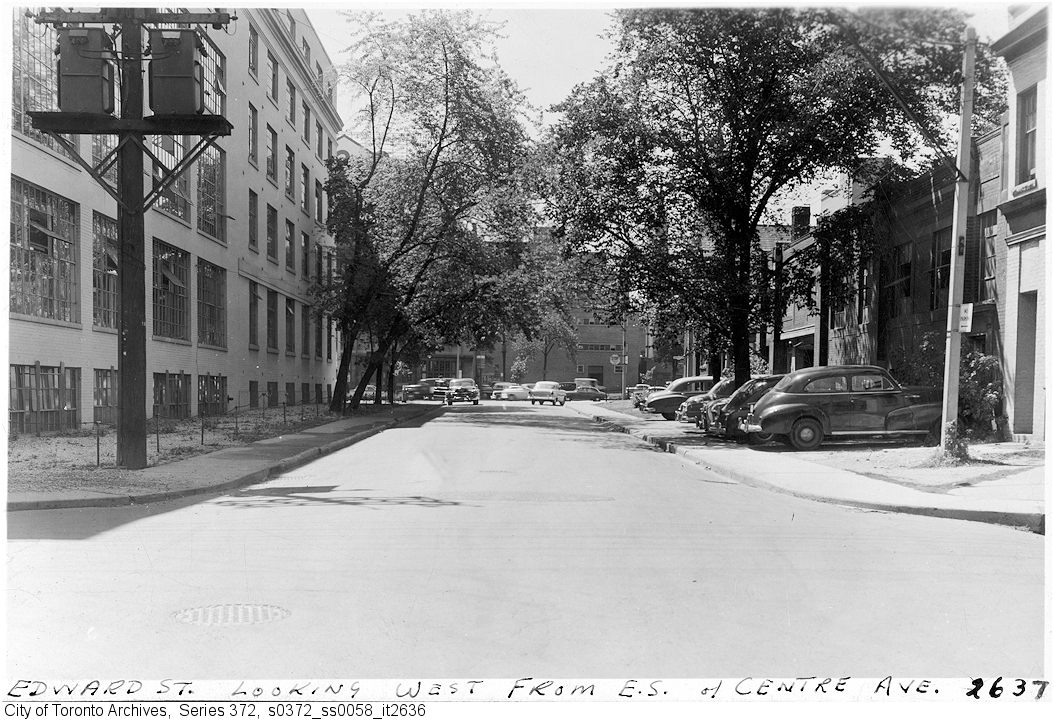
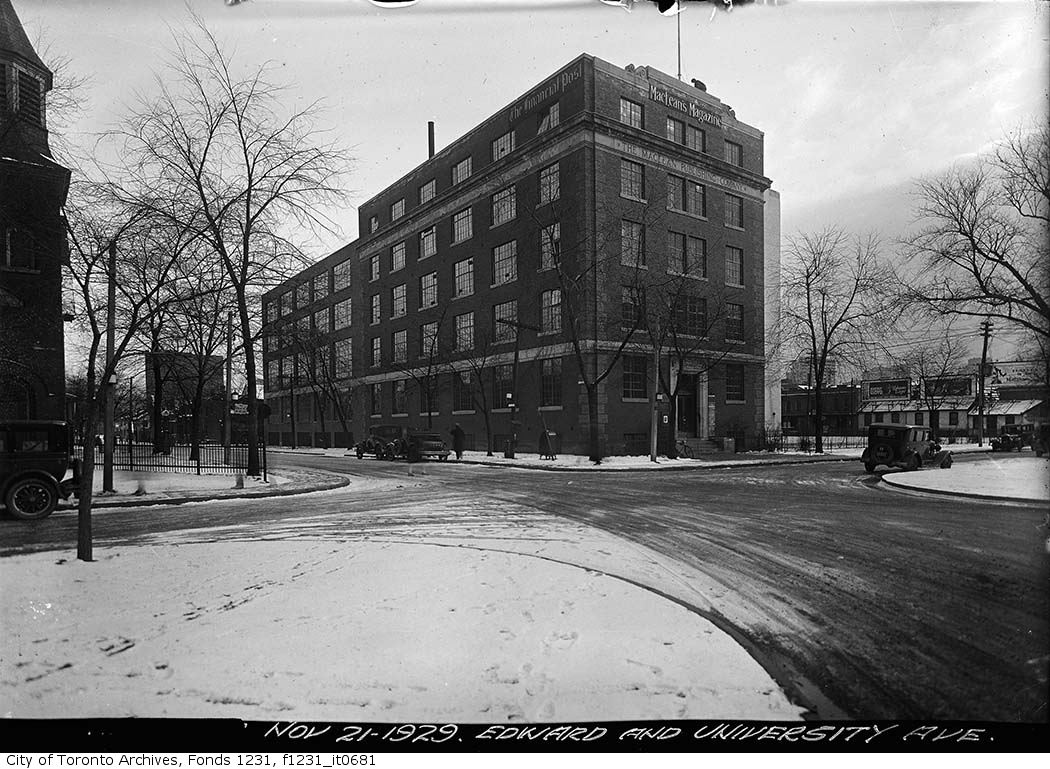
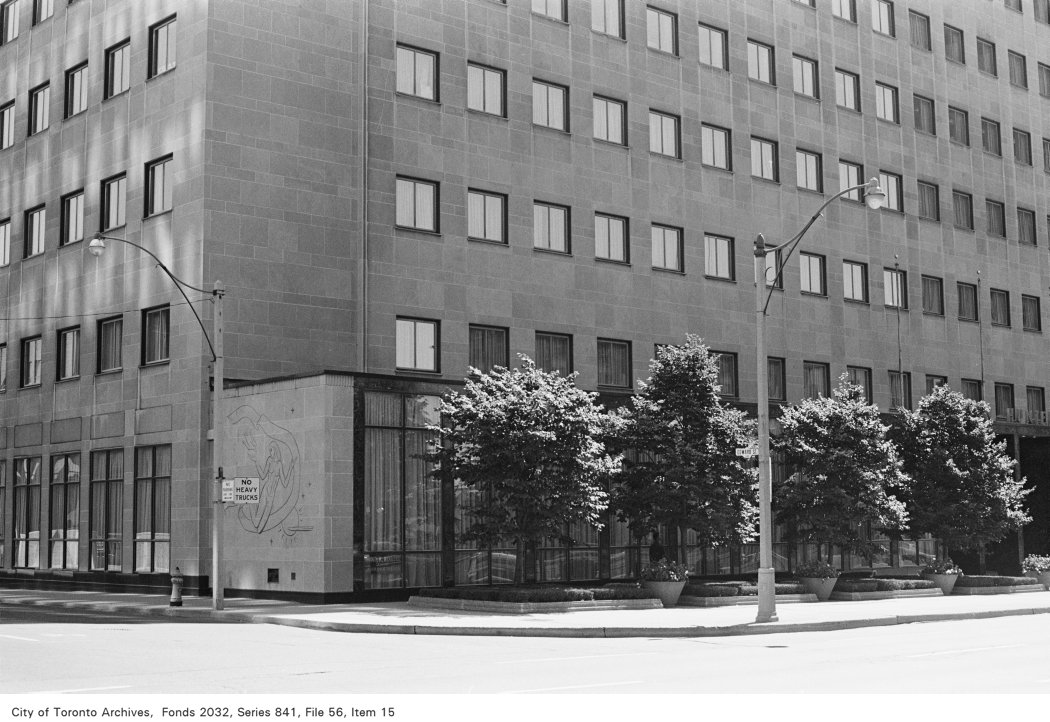
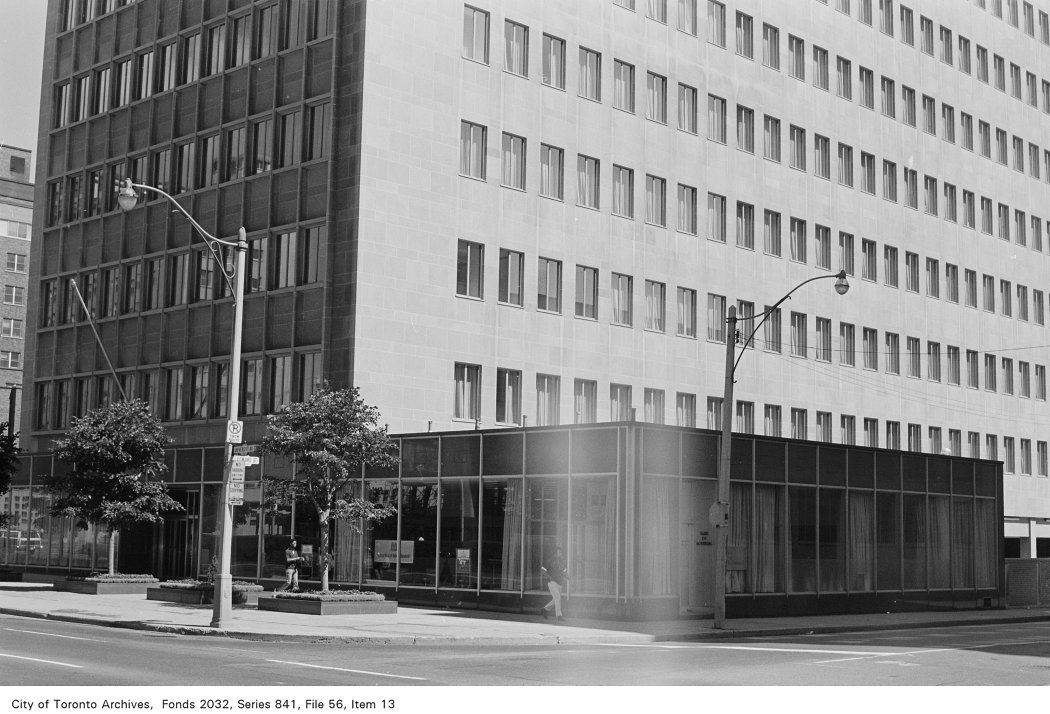
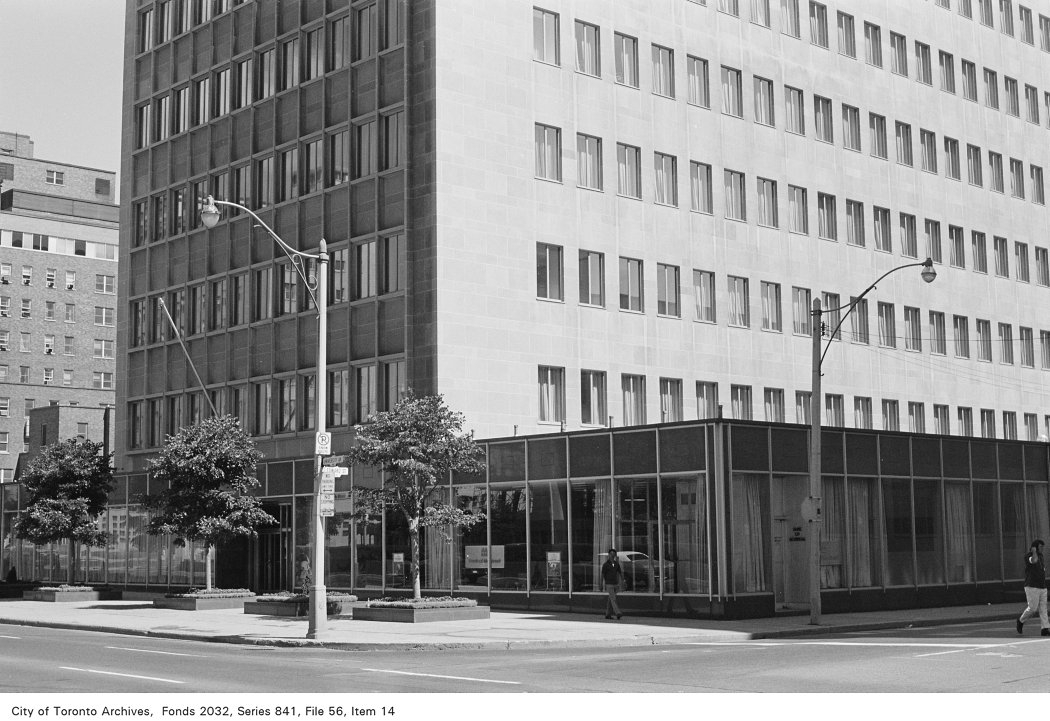
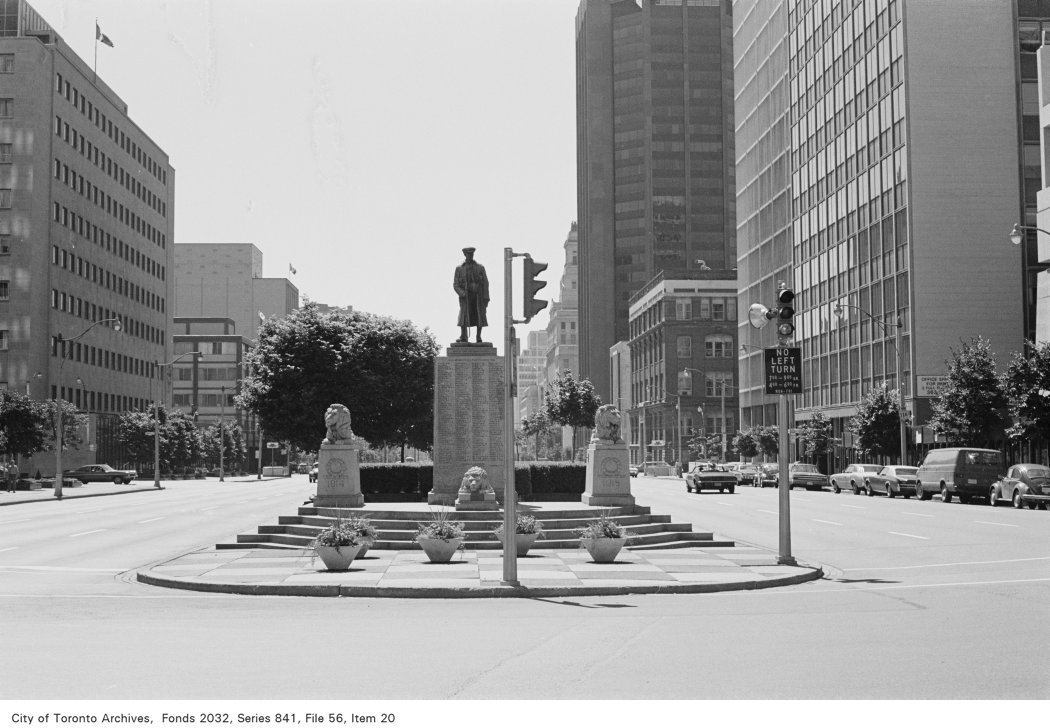
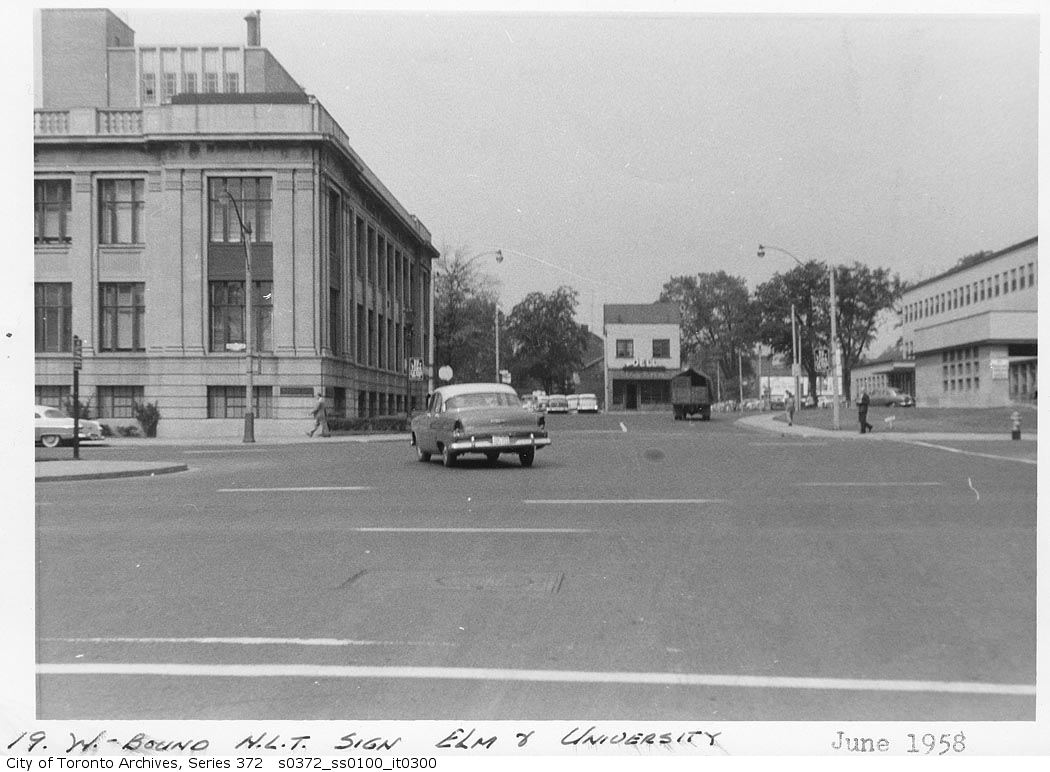
How Yonge-Bay Corridor compares with Toronto’s 158 neighbourhoods →Archive photos from near this address: myaddressintoronto.com/address/136-edward-st#sec-history